

_1790150425011.webp)
Guide to Selecting Durable Electrical Lighting Distribution Boxes






 2026-03-05 10:34:22
View:389
2026-03-05 10:34:22
View:389Choosing the right electrical lighting distribution box is an important choice that will affect the safety, economy, and life of your electrical infrastructure. The most important parts of an electrical system are these. They protect against electrical problems and send power to lighting lines. If you're in charge of a business building, an industrial plant, or a city's lighting system, knowing the main factors that affect performance and durability will help you make smart purchasing choices that will protect your investment and make sure the system works well for years to come.

Comprehending Electrical Lighting Distribution Boxes
Electrical lighting distribution boxes are like central command centers that safely send power from the building's main electrical feeds to each lighting circuit. Important parts like circuit breakers, contactors, and distribution busbars are housed in these protective boxes. They work together to handle electrical loads and protect against overloads, short circuits, and ground problems.
Core Components and Working Principles
Several linked parts make sure that power is distributed safely, which is how lighting distribution panels work. Circuit breakers are the main way to protect things because they cut power off immediately when an electrical problem happens. Contactors let you switch things from a distance, which lets you handle multiple lighting zones from one place. Distribution busbars are what connect the main power source to each branch circuit and carry electricity along conductive paths.
Advanced monitoring features in modern lighting distribution systems give real-time information on electrical loads, power usage, and system health. These smart features help building managers get the most out of the energy they use and spot problems before they become expensive fails.
Types and Configuration Options
Distribution box configurations are very different depending on the needs of the program and the surroundings. Metal containers are very strong and block electromagnetic waves well, which makes them perfect for industrial settings where mechanical safety is very important. Plastic housings are great because they don't rust and keep electricity from flowing. This makes them perfect for outdoor setups where moisture is a worry.
Standard NEMA ratings for dust and moisture protection are found on most indoor electrical lighting distribution boxs. Outdoor units, on the other hand, need better weatherproofing with IP65 or higher ratings. More advanced models have surge protectors, smart monitoring systems, and the ability to communicate remotely. These features allow for planned repair and methods for saving energy.
Durability Benefits for Commercial Applications
The focus on durability has clear practical benefits that make the investment in high-quality distribution tools worth it. Strong building cuts down on repair needs, unplanned downtime, and service life beyond the normal replacement cycle. When lighting fails in important places where safety, security, or productivity could be affected, these factors become even more important.
High-quality electrical lighting distribution boxs work the same way at all temperatures, don't break down in harsh environments, and offer solid protection even in the toughest working circumstances. This dependability is very important for buying managers who have to balance costs up front with costs over the long run.
Key Factors to Consider When Selecting a Durable Electrical Lighting Distribution Box
The quality of the materials used determines how long an Electrical Lighting Distribution Box will last and how well it will work under different operating and weather stresses. Knowing how various materials react to changes in temperature, exposure to wetness, and mechanical stress can help you make choices that meet the needs of your particular application.
Material Construction and Environmental Resistance
Metal shelters, which are usually made of galvanized steel or aluminum alloys, are very strong and protect against electromagnetic radiation. These materials work great in industrial settings where long-term structure stability and resistance to physical damage are very important. Powder coating or other protective finishes make things less likely to rust while keeping the electrical grounding connection.
When metals would break down over time in corrosive conditions, thermoplastic containers are a better choice. Good polycarbonate and fiberglass-reinforced plastics are very good at blocking UV light, being compatible with chemicals, and insulating electrical currents. The one-piece injection-molded design gets rid of any possible leak tracks and keeps the shape even when the temperature changes.
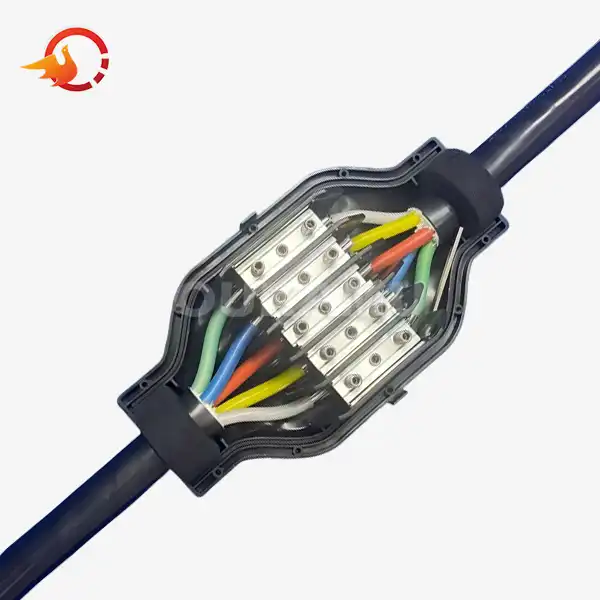
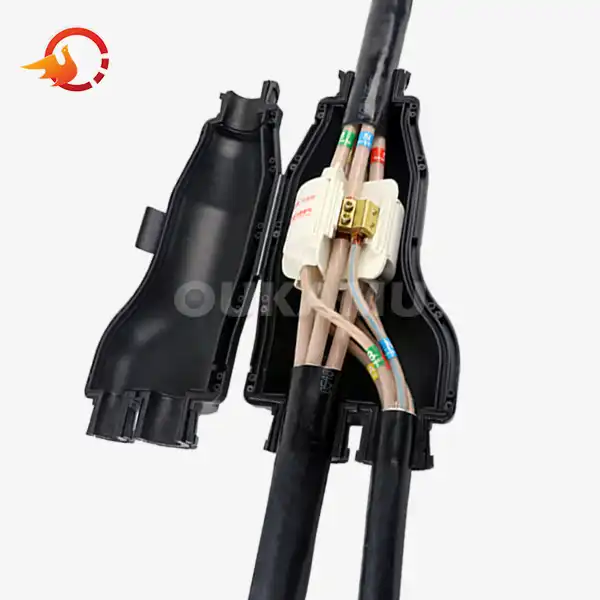
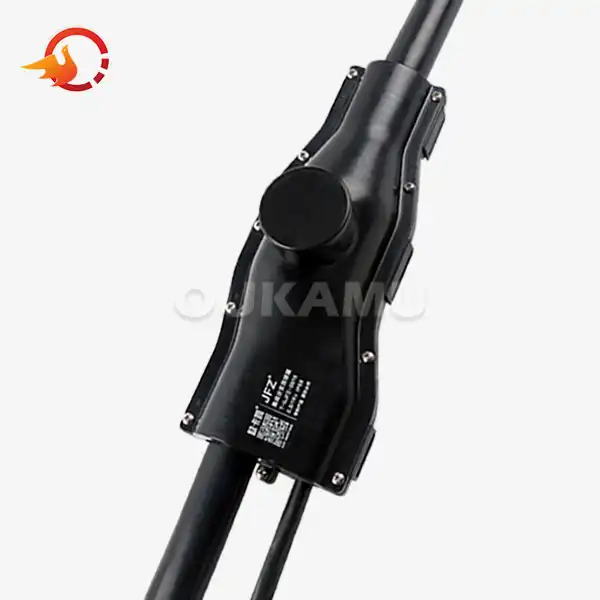
With its unique insulated waterproof design that has been improved over twenty years of development, the FPD-85/3L type is a great example of advanced material engineering. This way of designing makes sure that there are no leaks and that the system works safely and reliably in harsh weather conditions.
Capacity Planning and Load Management
To get the right size, you need to carefully look at the current power loads and make room for growth or changes in the future. Electrical lighting distribution boxs need to be able to handle both the current lighting needs and enough extra space in case the system grows. This forward-looking method keeps changes from being too expensive while still making sure there are enough safety margins.
When you do load estimates, you should take into account both steady-state function and the inrush currents that happen when the lights first turn on. Even though LED lighting systems are more energy-efficient than older technologies, they may have their own rhythmic properties that affect how the distribution system is designed. Understanding these technical details is important for making sure that the system works at its best throughout its entire lifecycle.
Safety Certifications and Compliance Standards
International safety standards set the rules for making sure that electrical lighting distribution boxs are safe and reliable in a wide range of situations. IEC standards make sure that products work with other electronics around the world, while UL labels make sure that they meet safety standards in North America. The CE mark means that the product meets European safety standards for electrical equipment, electromagnetic compatibility, and the environment.
These licenses show more than just following the rules; they also show a dedication to quality and safety, which lowers the risk of liability and makes sure that insurance coverage is valid. Purchasing managers should make sure that the goods they choose have the right licenses for the area where they will be used and the type of work that will be done on them.
Advanced Features and Technology Integration
Newer delivery systems have smart features that make operations more visible and easier to manage. Remote tracking systems give you real-time information about the state of an asset, such as the Electrical Lighting Distribution Box, which lets you plan preventative maintenance and quickly find problems. Energy tracking tools help with environmental efforts and find ways to make operations run more smoothly.
As more sensitive electrical loads are added to lighting systems, surge safety becomes more and more important. Built-in surge protectors get rid of the need for different parts while still making sure that safety plans work together to keep the whole electrical system safe.
Comparison of Electrical Lighting Distribution Box Solutions in the Market
There are many types of options on the market for electricity distribution, from simple safety panels to complex smart distribution systems. Knowing the differences between the different types of products helps buying teams match technical skills with specific application needs while reducing costs as much as possible.
Distribution Box Types and Applications
Traditional methods that use fuses are still used in some situations where ease and low cost are important. Circuit breaker panels, on the other hand, have mostly replaced fuse boxes because they can be changed, provide more exact protection, and have better safety features. Today's systems mostly use circuit breaker technology because it works better and is easier to maintain.
Specialized electrical lighting distribution boxs have features that are made to work with certain types of lighting loads. Most of the time, these units come with time clock connections for automatic scheduling, contactor-based switches for centralized control, and photocell compatibility for operation that responds to daylight. These unique features make the extra cost worth it in situations where operating flexibility and energy economy are important.
Leading Manufacturers and Product Positioning
Global companies that make electrical tools have built strong names on new ideas, high quality, and good customer service. Schneider Electric puts a lot of emphasis on the ability of all of their delivery products to work with smart grids and control energy. Siemens focuses on industrial-grade dependability and offers many ways to integrate robotics. ABB uses their knowledge of power systems to make solutions that are strong enough for tough jobs.
Eaton is known for putting cutting edge arc fault protection and surge reduction technologies into their distribution panels. Legrand is an expert in business building uses that focus on good looks and easy installation. Each maker has its own strengths that make them good for different types of customers and uses.
Regional producers often offer affordable options that are better in terms of price, ability to be customized, and support for local service. These providers can be very helpful for projects that need non-standard designs or quick delivery times.
Technical Specification Matching
To choose the right product for a project, you need to carefully match the electrical grades, physical measurements, and feature sets. Electrical rates must include enough safety gaps without going too big, which would raise costs needlessly. Enclosure sizes and mounting arrangements are often limited by physical factors, especially in upgrade situations where room is tight.
When sites are outside or in harsh industrial settings, environmental scores become very important. Products like the FPD-85/3L have an IP65+ security level that makes sure they work reliably even when they're wet while still meeting safety standards. Being able to work with standard rail-mounted safety devices gives you a lot of setup choices that can be used for a wide range of projects.
Installation, Maintenance, and Troubleshooting of Electrical Lighting Distribution Boxes
The right way to install something makes sure that it will work reliably for a long time and that it meets all safety and electrical rules. Knowing the important installation factors, especially for components like the Electrical Lighting Distribution Box, can help you avoid common issues that can hurt performance or put people in danger.
Installation Best Practices and Safety Procedures
The choice of location has a big effect on both efficiency and the ease of entry for maintenance. The placement of distribution boxes should limit their exposure to environmental dangers while still allowing enough space for maintenance tasks. Electrical codes set basic standards for working space that must be kept up to make sure operations are safe and services can get to them.
For outdoor applications, where wind loads and temperature changes add to the stress, using the right mounting methods is even more important. Modern goods like the FPD-85/3L have a metal hanging plate design that makes installation safe and allows for thermal expansion. Throughout the service life, waterproof joint surface devices keep the surroundings safe.
To keep electricity safety and environmental protection, cable entry methods need to be carefully watched. Waterproof locks and proper wire arrangement keep water out and make sure there is enough pressure relief. Built-in grounding connections made of pure copper make sure that equipment is properly grounded and meet safety standards.
Preventive Maintenance Strategies
Setting up regular review times helps find problems before they become system breakdowns or safety risks. During visual checks, you should look for signs of overheating, corrosion, or damage to the casings and internal parts. Thermal imaging scans can find hot spots that are growing and could mean that connections are loose or circuits are overloaded.
Tightening connections is an important maintenance task that stops many common failure modes. Temperature changes and mechanical vibrations cause electrical links to become loose over time. Setting up regular plans for checking the torque helps keep the connection's integrity at its best and stops costly breakdowns.
Common Issues and Diagnostic Techniques
One of the most common problems that can make a distribution box less reliable is moisture getting inside. Even small cracks in seals can let moisture into shelters, which can cause rust and insulation to break down. Checking gaskets, wire openings, and joint seals on a regular basis helps find weaknesses before they damage the system.
Problems with overheating are often caused by not enough air flow, loose connections, or circuits that are overloaded. During regular maintenance checks, infrared thermography is a useful monitoring tool for finding strange temperature changes. Fixing these problems right away stops fails that can spread and affect whole lighting systems.
Conclusion
When choosing long-lasting electrical lighting distribution boxes, you need to think carefully about the technical specs, the surroundings, and how the boxes will be used in the long run. High-quality building materials, the right safety standards, and cutting-edge features like those in the FPD-85/3L all help to make the product work well and last longer. A good procurement process combines up-front costs with long-term value, and it also makes sure that the new system works with current ones and with plans for future growth. By following these tips, procurement teams can find transportation options that work safely and reliably and help the company reach its efficiency and sustainability goals.
FAQ
Q1: What distinguishes a lighting distribution box from a standard circuit breaker panel?
A: Lighting distribution boxes are made to handle lighting loads and have features like photocell support, contactor switching, and time clock integration. They usually have special safety settings that work best with lighting, while regular panels handle all kinds of electricity loads and don't have any features that work specifically with lighting.
Q2: How frequently should electrical lighting distribution boxes be inspected and maintained?
A: Professional inspections should be done once a year, and damage or burning should be looked for every month. Every two years, thermal imaging scans help find problems before they get worse. Verification of the connection torque should be done every three to five years, based on the load and the surroundings.
Q3: Can lighting distribution boxes be customized for specific project requirements?
A: Many makers let you change things about their products, like the size of the case, how they are mounted, and how the circuits are set up. This is shown by the FPD-85/3L model, which works with a number of different rail-type switching devices and has a number of different placement choices for different mounting situations.
Partner with Oukamu for Superior Electrical Lighting Distribution Box Solutions
As a company with 17 years of experience in wire hookup technology, Oukamu offers new ways to distribute electricity. Our all-around method combines strong building with adaptable on-site installation, which lowers project costs and guarantees long-lasting dependability. If you need standard setups or custom electrical lighting distribution box solutions, our experienced team can help. We offer expert advice and low bulk prices for electrical lighting distribution box suppliers. Get in touch with our experts at info@okmbranchcable.com to talk about your unique needs and find out how our tried-and-true solutions can improve your electrical infrastructure projects while still meeting strict safety and performance standards.
References
1. National Electrical Manufacturers Association. "Standards for Electrical Distribution Equipment in Commercial and Industrial Applications." NEMA Standards Publication, 2023.
2. Institute of Electrical and Electronics Engineers. "Guide for Selection and Application of Distribution Transformers and Associated Equipment." IEEE Standard 1547-2022.
3. International Electrotechnical Commission. "Low-voltage Switchgear and Controlgear Assemblies - General Rules." IEC 61439-1:2020 Standard.
4. Underwriters Laboratories. "Safety Standards for Electrical Panel Boards and Distribution Equipment." UL 67 Standard for Panel Boards, 2023 Edition.
5. American Society for Testing and Materials. "Standard Specification for Materials and Testing of Electrical Enclosures." ASTM B117-19 Standard Practice.
6. Electric Power Research Institute. "Distribution System Protection and Control: Best Practices for Reliability and Safety." EPRI Technical Report, 2023.