

_1790150425011.webp)
Best Cable Joint Solutions for Underground Power Networks






 2026-04-08 15:38:12
View:389
2026-04-08 15:38:12
View:389When it comes to keeping underground power networks safe, the quality of the links between the cables often determines whether the system works well or breaks down without warning. An Underground Cable Jointer is an important part of this environment because it keeps the electrical links under our streets and buildings safe, waterproof, and long-lasting for decades. Being aware of the best cable joint solutions can save you time, money, and trouble in the future, whether you're an engineering contractor getting ready for yearly bulk replenishment or a procurement manager looking for tools for a new distribution project. This guide shows you the most important jointing methods, selection criteria, and buying strategies for electrical product stores, distributors, and project contractors who want goods that are both new and reliable.

Understanding Underground Cable Jointing – Key Concepts and Industry Challenges
What Underground Cable Jointers Do and Why Their Work Matters?
Underground cable jointing is the process of joining different sections of wire together to make underground power distribution systems have continuous electrical paths. These links need to be able to handle water, changes in temperature and pressure in the soil, as well as possible mechanical stress from ground movement or building nearby. A skilled worker is in charge of these tasks and makes sure that every joint meets strict safety and performance standards by joining, terminating, and testing it. Without the right jointing, networks are more likely to fail, which can cost a lot of money and put people in danger.
Common Challenges Facing Installation Teams
It can be hard to do your job when you're underground. Even the strongest materials can't handle harsh natural conditions like underground seepage, corrosive soil chemistry, and temperature swings. In cities, complicated wire layouts often need adaptable solutions that can handle any unexpected problems that come up during drilling. Because it's harder to get to places where problems are happening, fixes take longer and cost more than on overhead lines. Damage to heavy equipment, rodents getting into junction boxes, and insulation in wires that were put in 20 to 30 years ago that is starting to break down all make networks vulnerable and need to be managed proactively.
Essential Equipment and Safety Protocols
To join cables properly, you need special tools like cable cutters, stripping devices, joining instruments, and testing equipment to make sure the joints are strong. Proper grounding methods, lockout-tagout systems during live work, and personal protective equipment to protect workers from electrical dangers are all required by safety rules. Following the rules set by the industry and the maker protects both people and property while also making placed joints last longer.
Comprehensive Review of Underground Cable Jointing Techniques and Methods
Heat Shrink Technology for Permanent Connections
Heat shrink jointing uses materials that shrink around wire cores when heated, a process that must be carefully executed by an Underground Cable Jointer to ensure proper insulation, sealing, and long-term reliability of the connection. This makes a tight seal that keeps out moisture and other contaminants. This method works well for low to medium power jobs where installers have access to heat sources and enough room to work. Because it is very strong mechanically and lasts a long time, this method is popular among workers who install armored cables. But the process needs to be carefully controlled in terms of temperature and skill so that the wire insulation doesn't get damaged while it's being heated.
Cold Shrink Systems for Quick Field Installation
When you use cold shrink joints, pre-expanded rubber covers are held in place by cores that can be taken out. Installers put the sleeve over the ready-to-connect wire and take out the core. This lets the sleeve shrink and seal itself against water without using heat or special tools. This method cuts down on construction time by a lot and gets rid of the need for power sources in outlying areas. Cold shrink technology works best for projects that need to be done quickly and easily, but the materials are usually more expensive than heat shrink options.
Resin-Based Solutions for Maximum Protection
Two-part polyurethane or epoxy compounds are poured over wire joins during resin casting. When the compounds set, they make rigid, waterproof barriers. This method provides better resistance to water and mechanical damage, which makes it perfect for straight burial uses in tough soil conditions. Resin joints are stable for decades with little upkeep, but the hardening process is longer than shrink ways and needs exact mixing ratios. A lot of utility companies like resin systems for important infrastructure where long-term dependability is more important than installation speed.
When you compare these methods, you can see that the needs of the project determine which way to use. The speed of cold shrink systems is better for large city projects, while the better protection of resin casting may be worth it for specialized industry installations. Cost-conscious wholesalers that work with smaller contractors often keep heat shrink kits on hand that are both cheap and have been shown to work in a variety of situations.
How to Choose the Right Cable Jointing Solution for Your Underground Power Network?
Evaluating Environmental and Technical Requirements
Understanding your personal working environment is the first step in choosing the right cable joint solutions, especially for an Underground Cable Jointer, whose work conditions—such as confined spaces, moisture exposure, and soil composition—directly impact jointing methods, material selection, and long-term performance.
. For waterproofing, projects in flood-prone areas need parts with an IP68 rating or higher. In corrosive industrial zones, systems need to be more resistant to chemicals. Specifications for the cables are also important. For example, joints for major cables that are 4mm to 16mm and branch cables that are 1.5mm to 10mm need to be the right size to keep the electrical and mechanical performance right. Material choices and design features are based on load requirements, voltage ratings, and projected service life.
Comparing Leading Suppliers and Product Features
There are a lot of well-known names on the market, and each one has its own strengths. Procurement managers who are worried about long-term supply can rest easy knowing that major makers offer a wide range of products, complete testing certifications, and global support networks. When looking at sellers, look at standards like UL, IEC, and regional safety approvals that show the products are safe. Data from durability tests, warranty terms, and expert help after the sale are what set premium solutions apart from cheap options that may cost you more in the long run because they break down early or are hard to fix.
Aligning Solutions with Project Constraints
When procurement officers try to find a balance between quality and budget, they should look at more than just the original buy price. A cable branch connector that doesn't require cutting major wires saves time and money by cutting down on material waste and installation work. This means that the product is more valuable, even if it costs more per unit. Products made to be installed in utility tunnels or directly buried without protection tubing allow for more installation options, which speeds up project timelines. Gel-filled insulation systems that offer double-layer waterproof protection lower the chances of callbacks and warranty claims, which eat away at profit margins.
When distributors prepare their stock for a wide range of customer needs, it's helpful to have options that can be used with a number of different wire types and installation methods. Electrical workers often have trouble responding to site conditions that are different from what was planned, but being able to offer branch connections at any field-determined position without having to measure cable runs ahead of time solves this problem.
Training, Certification, and Skill Development for Underground Cable Jointers
Industry-Recognized Training Programs
Professional growth for installation workers has a big effect on how well projects turn out. Certification programs from industry groups and equipment makers teach the right way to put things together, follow safety rules, and fix problems. People in these classes learn in the classroom and then use real things to practice what they've learned. This helps them build muscle memory and problem-solving skills before they work on real projects. Completion certificates show clients and regulatory officials that you are qualified, which lowers the risk of liability for workers and wholesalers.
The Business Case for Investing in Skilled Personnel
When companies put professional training first, they get measurable benefits. When workers know about the features of the material and the right way to apply it, they make fewer mistakes during installation. This means that expensive callbacks to fix broken parts happen less often. Teams that are well-trained finish jobs faster, which increases the use of crews and the project's profits. When employees know about electrical dangers and follow the rules, safety events go down. This keeps companies from having to deal with workers' compensation claims and damage to their image. These benefits set service companies and equipment distributors who offer training help apart from their competitors.
Continuous Skill Development Strategies
As technology changes and new products come out, people need to keep learning instead of getting certified just once. Manufacturers often change the materials and methods they use, so installers should get repeat training to keep their skills up to date. When a company gets new goods, it can set up on-site training sessions to make sure that its employees know how to handle and install them properly, especially for roles like the Underground Cable Jointer, where precision and compliance with procedures are critical. Technical support tools and installation guides further assist field personnel, including the Underground Cable Jointer, in troubleshooting issues efficiently so that the project does not get delayed.
Procurement Strategies for Underground Cable Jointing Equipment and Materials
Sourcing Approaches for Different Business Models
Stores that sell electronics need stocking plans that balance the number of items they can offer with their limited operating capital. Stocking common wire sizes and flexible jointing options that can be used in a variety of situations helps keep inventory levels high and meets customer needs. Distributors who work with regional contractor networks might be able to negotiate better prices with manufacturers on a volume basis. This would allow them to make good profits while still offering trade customers cheap prices. Suppliers of engineering materials that help with project-based work can benefit from building relationships with manufacturers that can meet the unique needs of big installations.
Evaluating Supplier Reliability and Support
A supplier's skills have a big effect on the success of buying, not just the quality of the goods. When stock is always available, projects don't get held up, which can hurt relationships with contractors and cause costly scheduling changes. Clear lines of contact for technical questions help wholesalers help their customers even if they don't have a lot of engineers on staff. Order amounts that are flexible can be used for both emergency replacements and planned large purchases for big projects. E-commerce platforms can give more products without having to store every SKU thanks to drop-ship suppliers.
Optimizing Cost Without Compromising Quality
People who buy things strategically know that the cheapest price isn't always the best deal. Products with fair prices and a history of dependability have fewer guarantee claims and unhappy customers, which hurts profits over time. By building relationships with chosen suppliers, you can get savings for buying in bulk, longer payment terms, and first choice when supplies are low. When purchasing managers keep an eye on all of an item's costs, like freight, storage, and management costs, they can find sellers that offer real economic benefits rather than just low prices.
Smart buying also means figuring out what customers want and how the market is going to change. Contractors who want to stay ahead of the competition like products with advanced features like flame-resistant materials, small, integrated designs, and tool-free installation. When distributors carry new products, they place themselves as partners who add value instead of just selling goods. This helps them charge higher prices and keep customers coming back.
Conclusion
To find the best cable joint options for underground power networks, you have to weigh technical performance, cost, and the supplier's abilities, as well as the expertise of the Underground Cable Jointer, who plays a critical role in ensuring proper installation, joint integrity, and long-term network reliability. Knowing about different jointing methods, like heat shrink and resin casting, lets you make smart choices that fit the needs of your project.
Environmental factors, cable specs, and fitting limitations must all be taken into account to make sure that the solutions chosen will work reliably for a long time. Putting money into training technicians and working with reliable suppliers gives businesses practical benefits that set them apart in competitive markets. If you're an engineering contractor, a product distributor, or a buying manager, these tips will help you choose, find, and use cable jointing options that protect important assets and make the most of the project's budget.
FAQ
What certifications should qualified technicians possess?
Professional Underground Cable Jointers usually have credentials that show they know how to safely handle cables, use the right jointing methods, and follow electrical codes. Programs that are known and respected in the industry make sure that people know about the materials, installation methods, and testing processes that are needed for secure network installs.
How do I decide between manual and automated jointing methods?
Manual jointing methods are flexible and don't cost as much, so they're good for smaller jobs and fixes that need to be done in the field. Automated systems improve quality and speed for high-volume setups where the initial cost of the equipment pays for itself by saving time and money on labor.
Which brands provide the most reliable warranty coverage?
Manufacturers that have been around for a long time, have thorough testing programs, and have global service networks usually offer better guarantee terms and quick technical help. Checking the length of the warranty, what it doesn't cover, and how to file a claim can help you find sellers who really stand behind their goods and offer real protections.
Partner with Oukamu for Reliable Cable Jointing Solutions
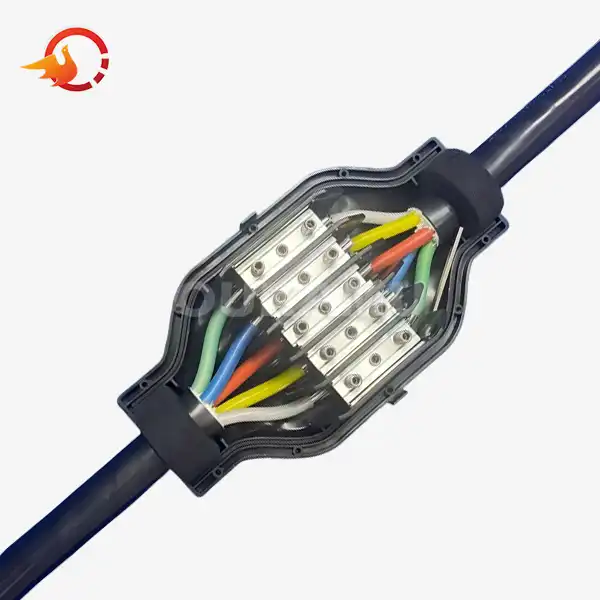
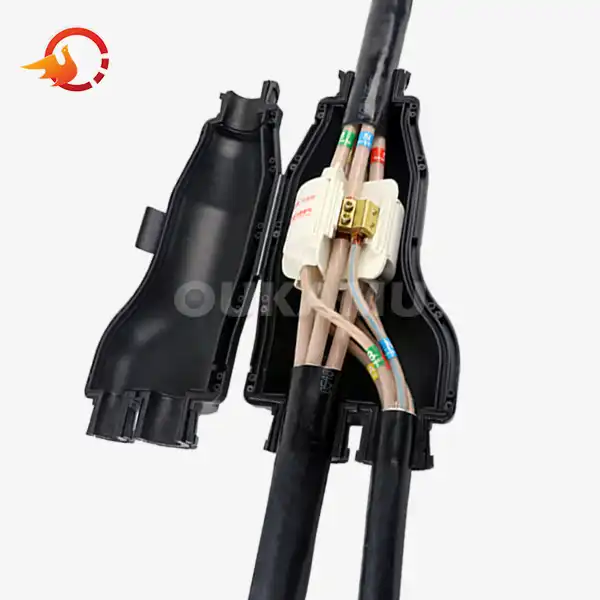
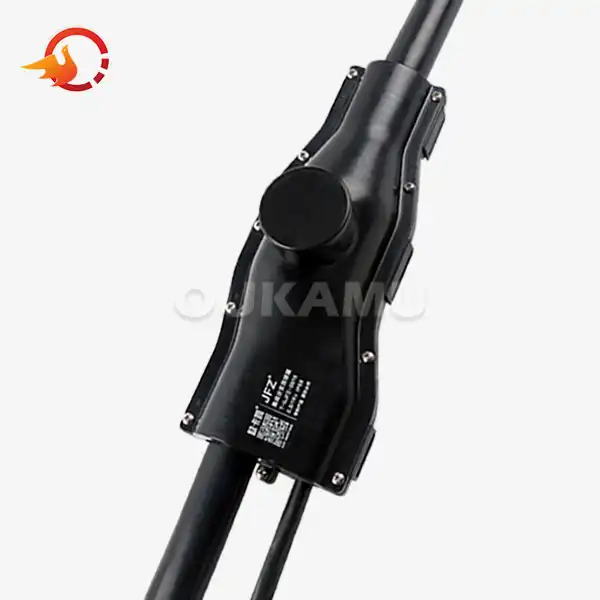
Xi'an Oukamu Electric Co., Ltd. has been working with underground power networks for 20 years and has a lot of experience with branch cable connection technology. Our IP68 waterproof cable joints can fit main cables from 4mm to 16mm and branch cables from 1.5mm to 10mm. They have gel-filled padding that protects against water entry on two levels. The combined design means that the main cables don't have to be cut, and the branches can be placed in a variety of ways on-site. This cuts down on installation time and material waste while providing excellent cost performance.
Whether you're a distributor looking for a reliable cable joint provider or a project contractor needing unique solutions, our team can help you with technical questions and provide reliable goods made from flame-resistant materials and designed to be easy to install in small spaces. Get in touch with info@okmbranchcable.com to talk about your needs and find out how Oukamu's tried-and-true technology can make your underground network more reliable.
References
1. International Electrotechnical Commission. (2019). Underground Cable Systems for Power Distribution: Installation and Maintenance Standards. IEC Technical Report Series.
2. Smith, J.R. & Martinez, L.K. (2021). Advanced Cable Jointing Techniques for Modern Power Networks. Electrical Engineering Publishers.
3. National Electrical Contractors Association. (2020). Best Practices for Underground Cable Installation and Splicing. NECA Technical Manual 402.
4. Thompson, R.D. (2022). "Material Science Innovations in Cable Joint Technology." Journal of Electrical Infrastructure, 34(2), 145-167.
5. Underground Utilities Association. (2018). Certification Guidelines for Cable Jointing Professionals. UUA Professional Development Series.
6. Williams, P.T. & Chen, H. (2023). Procurement Strategies for Electrical Distribution Components. Industrial Supply Chain Press.