

_1790150425011.webp)






 2025-12-29 16:04:07
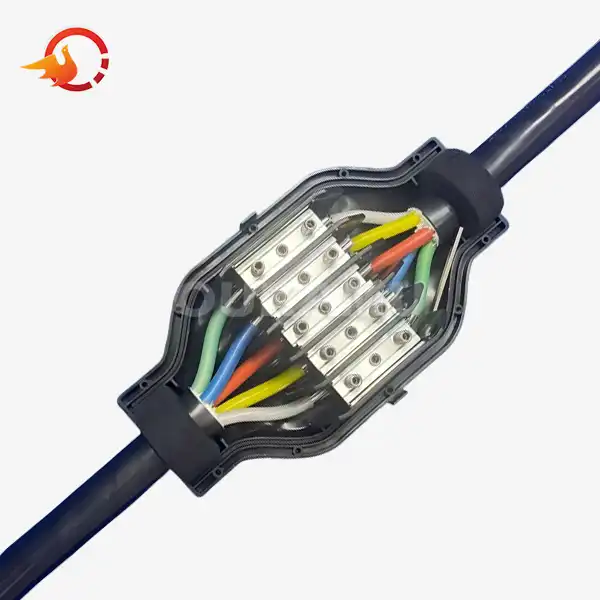
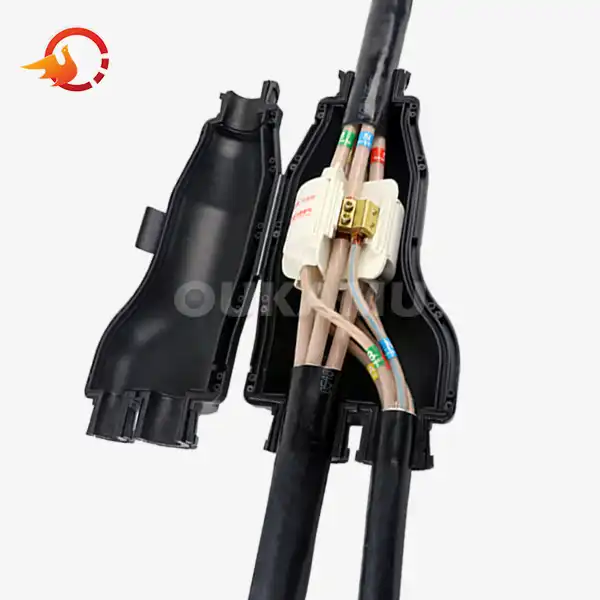
When working with very heavy electrical installations, choosing the right cable joint resin can help you get a reliable connection that lasts instead of one that fails and costs a lot of money. Resin formulations that can handle extreme conditions while still being great at electrical insulation are needed in high-voltage systems, marine environments, and industrial applications. The best cable joint resin compounds have great thermal resistance, waterproofing abilities, and mechanical strength. This keeps important electrical connections safe in tough places.

Why Choosing the Right Cable Joint Resin Matters for Tough Jobs?
There are some problems with heavy-duty electrical systems that regular connection methods can't fix. Poor quality joint materials can break down quickly when the temperature is too high or too low, when they are wet, when they are exposed to chemicals, or when they are under a lot of pressure. This is the point where specialized cable joint resin formulations show their value.
Professional electrical contractors, distributors, and project procurement officers know that choosing the wrong resin can cause systems to fail in a big way. Industrial facilities lose thousands of dollars every hour when they go offline, and marine installations have to deal with saltwater corrosion that breaks poorly connected equipment. The right resin formula will keep your electrical systems safe.
Today's cable joint resin technology has come a long way. The mixtures made today have better UV resistance, stronger dielectric strength, and flexible properties that allow for thermal expansion. Because of these advances, systems will last longer, maintenance costs will go down, and safety will be better for people working with high-voltage systems.
Important Things to Look for Heavy-Duty Cable Joint Resins
To find the best cable joint resin, you need to know how to read performance metrics. The temperature rating is the most important factor because a lot of industrial work is done in very hot or very cold conditions. Quality resins keep their properties from -40°C to 200°C or more.
Dielectric strength shows how well the resin can keep electricity from breaking down. Resins with dielectric strength over 20 kV/mm are usually needed for heavy-duty applications. This specification makes sure that the insulation is reliable even when a lot of voltage is applied.
In factories and other industrial settings, chemical resistance is very important when cables come into contact with oils, solvents, or other damaging materials. The best formulations don't break down when they come into contact with common industrial chemicals, and they keep doing what they're meant to do.
For installations that are exposed to vibration or movement, the mechanical properties are very important. Rigid resin formulations protect stationary cables the best, while flexible ones don't break when the cables move.
Installation efficiency is affected by the properties of the material used in the curing process. Some types of resin need to be heated in order to cure, while others don't. Knowing how your installation environment works helps you choose the best option for your needs.
Epoxy Resin Formulations That Work Best
For tough, heavy-duty cable joints, bisphenol A epoxy systems are the best choice. These mixtures provide great electrical insulation and stick very well to different cable materials. The resin that has been cured is very chemical resistant and stays flexible even when the temperature changes.
The ability to stick to wet surfaces makes them perfect for places that are often wet. The small amount of shrinkage during curing keeps stress from building up around the cable conductors. These systems usually set in 24 hours at room temperature, but using heat can speed up the process for quicker installations.
Electrical contractors like bisphenol A systems because they can be used in many different ways. When it comes to copper, aluminum, and composite conductors, they get the job done. The excellent flow properties make sure that all spaces are filled around complex cable shapes.
Novolac Epoxy Formulations work much better in high-temperature situations than regular epoxies. These specialized resins keep working the way they are supposed to up to temperatures of 250°C. This makes them very important for power generation facilities and industrial furnace installations.
The cross-linked structure has great resistance to heat and chemicals. Novolac systems are better than regular epoxies at resisting thermal cycling, which stops cracks from forming when the material is heated and cooled multiple times.
These mixtures are reactive, so they need to be handled carefully. The best performance is guaranteed by the right mixing ratios and temperatures. Buying specialized equipment is worth it because it lasts longer in tough situations.
For outdoor setups that need UV protection, cycloaliphatic epoxy systems have some special benefits. These mixtures don't turn yellow or break down after being in the sun for a long time, and they still have great electrical properties.
These systems have a lower viscosity, which makes them easier to mix and use. They are better at getting through cable strands, which makes the mechanical bonds stronger. Cured joints can handle sudden changes in temperature and the effects of the environment very well.
Advanced Solutions for Silicone Resin
Room Temperature Vulcanizing (RTV) silicones are great for situations where cables need to move because they are so flexible. These systems only have one part and cure when they come into contact with moisture in the air. This means that they don't have to be mixed together, and there is no chance of using the wrong amount.
The main benefit of silicone resins is that they are temperature stable. They can stretch from -65°C to 200°C without breaking, even with extreme temperature changes. This feature makes them impossible to do without in the aerospace and automotive industries.
RTV silicones can fill in all the gaps around cable bundles because they are self-leveling. Their excellent release properties make it easy to fix or change them when needed. The electrical properties stay the same during the entire service life, which means that the insulation performance stays the same too.
High-Temperature Silicone Systems use complex polymer chemistry to reach service temperatures above 300°C. These special mixtures are used in furnace wiring, engine compartments, and other places that get very hot.
The flame resistance is safe, and many types of this material have received a UL 94 V-0 rating. The non-tracking properties keep surface conductivity from forming in dirty conditions. These features are very important for keeping electrical systems safe in hard-to-work conditions.
Adhesion promoters make it easier for different substrate materials to stick together. Proper surface preparation is very important for the best adhesion strength. The investment in proper installation techniques makes sure that these high-end materials work as well as possible.
Special Polyurethane Resin Methods
Two-Part Polyurethane Systems have great mechanical properties and are very resistant to environmental factors. These mixtures harden into tough, flexible solids that are better at resisting impact and vibration than rigid ones.
The tear resistance is better than most epoxy systems, so polyurethanes are great for mobile equipment and transportation. The great abrasion resistance protects cables in tough mechanical settings where other materials break down quickly.
A wide range of chemicals are resistant to industrial materials. These systems are able to resist oil, fuel, and hydraulic fluid while still protecting. The great ability to stick to metal conductors makes reliable long-term bonds.
Moisture-Cure: Polyurethanes make it easier to apply products in the field. These systems only have one part, so they don't get mixing errors and seal off the environment very well. The deep-section cure feature handles thick applications without the problem of incomplete curing.
The electrical properties don't change when the air is humid, so these formulations can be used in marine and underground settings. The great low-temperature flexibility keeps materials from cracking in cold conditions where rigid materials break easily.
Traits and Rules of the Global Market
International standards have a big impact on how cable joint resin is chosen in markets around the world. IEC 60502 tells you how medium-voltage cable accessories should work, while IEEE 404 does the same for high-voltage accessories. Understanding these rules makes sure that international projects follow the law.
Regional preferences change depending on the climate and how things are put in place. European markets prefer eco-friendly products that have low levels of VOCs. Asian markets focus on value without sacrificing quality. The safety certifications and long-term reliability are what North American specifications are based on.
Rules about the environment are having a bigger and bigger effect on how products are made. To be REACH compliant in Europe, you need to show detailed information about the chemicals used and how safe they are. Similar rules in other areas encourage the development of safer, more eco-friendly products that work just as well.
The price and availability of materials are affected by the supply chain. Regional manufacturing capabilities affect how quickly products are delivered and how easily customers can get technical support. It's very important to find trustworthy suppliers for the project to be a success.
Cultural factors affect how things are installed and what materials are used. Some areas like new technologies, while others prefer old ones. Knowing how things are done in the area makes it easier to choose the right materials for different markets.
Professional Purchasing Recommendations
Successful cable joint resin procurement requires balancing performance requirements with budget constraints. Establishing clear specifications prevents costly mistakes and ensures consistent quality across projects. Working with experienced suppliers provides access to technical expertise and application support.
Sample testing validates material performance before committing to large quantities. Many suppliers provide test kits allowing evaluation under actual installation conditions. This investment prevents expensive failures and builds confidence in material selection.
Training programs enhance installation quality and reduce material waste. Proper mixing, application, and curing techniques maximize resin performance while minimizing costs. Investing in installer education pays dividends through improved reliability and reduced callbacks.
Inventory management balances availability with shelf life considerations. Most resins have limited storage life, making just-in-time delivery preferable for large projects. Proper storage conditions preserve material quality and prevent premature degradation.
Documentation requirements vary by application and region. Maintaining detailed records of material specifications, test results, and installation procedures supports warranty claims and regulatory compliance. Digital documentation systems facilitate information sharing across project teams.
Industry Trends and Future Developments
Cable joint resin technology continues evolving toward improved environmental compatibility and enhanced performance. Bio-based formulations reduce environmental impact while maintaining superior electrical properties. Smart materials incorporating self-healing capabilities promise reduced maintenance requirements and extended service life.
Automation technologies streamline application processes and improve consistency. Robotic mixing and dispensing systems eliminate human error while reducing exposure to hazardous materials. These advances make high-performance resins more accessible to smaller contractors and specialized applications.
Nanotechnology integration enhances traditional resin properties without compromising existing advantages. Nano-additives improve thermal conductivity, reduce shrinkage, and enhance mechanical strength. These developments expand application possibilities while maintaining familiar handling characteristics that installers understand and trust.
Conclusion
Choosing the best cable joint resin for heavy-duty applications requires careful consideration of environmental conditions, electrical requirements, and installation constraints. Epoxy formulations provide excellent all-around performance, while silicone systems excel in extreme temperature applications. Polyurethane technologies offer superior mechanical properties for demanding installations.
Success depends on matching resin characteristics to specific application requirements. Understanding global standards, regional preferences, and emerging technologies helps optimize material selection. Working with experienced suppliers and investing in proper training ensures maximum return on your cable joint resin investment.
Frequently Asked Questions
Q1: How long do cable joint resin connections typically last in heavy-duty applications?
A: High-quality cable joint resin connections in heavy-duty applications typically last 20-30 years or more when properly installed and maintained. The actual service life depends on environmental conditions, material selection, and installation quality. Regular inspection and preventive maintenance can extend service life significantly.
Q2: Can different types of cable joint resins be used together in the same installation?
A: Mixing different resin types is generally not recommended as chemical compatibility issues may arise. Different curing rates and thermal expansion properties can create stress concentrations leading to premature failure. Using consistent materials from the same manufacturer ensures optimal performance and warranty coverage.
Q3: What safety precautions are necessary when working with cable joint resins?
A: Proper ventilation, protective clothing, and respiratory protection are essential when working with cable joint resins. Many formulations contain chemicals that can cause skin sensitization or respiratory irritation. Following manufacturer safety data sheets and using appropriate personal protective equipment protects installer health and ensures regulatory compliance.
Partner with Oukamu for Superior Cable Joint Resin Solutions
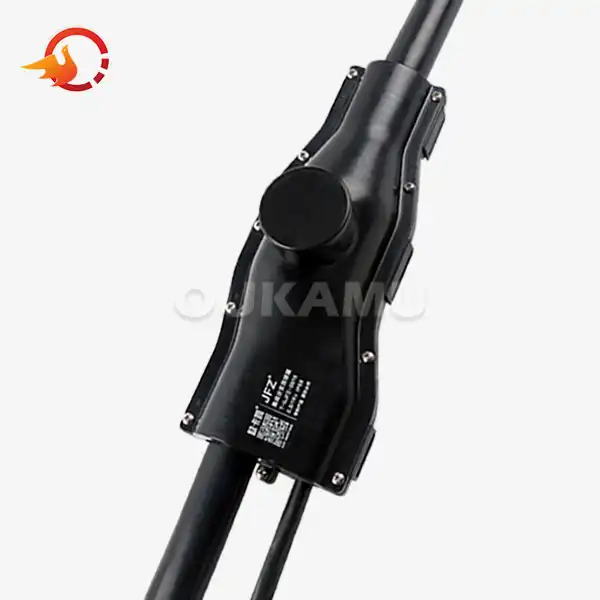
Selecting the right cable joint resin supplier makes the difference between project success and costly failures. Oukamu's 17 years of specialization in cable connection technology provides the expertise your business needs. Our innovative branch cable connectors integrate seamlessly with high-performance resin systems, delivering complete solutions for demanding applications.
Our on-site flexibility advantages align perfectly with modern cable joint resin applications. Adjustable branch positioning reduces material waste while accommodating complex installation requirements. The integrated design approach ensures compatibility between resin systems and mechanical components, eliminating interface problems that plague mixed-component installations.
Quality control and technical support set Oukamu apart from typical cable joint resin suppliers. Our engineering team provides application guidance, installation training, and troubleshooting support throughout your project lifecycle. This comprehensive approach reduces installation costs while maximizing system reliability. Ready to explore how our cable connection solutions can enhance your next project? Contact our technical specialists to discuss your specific requirements and discover the Oukamu advantage. Reach out to us at info@okmbranchcable.com for detailed product information and technical support.
References
1. Smith, J.A., and Chen, L. (2023). "Advanced Polymer Chemistry in Electrical Insulation Applications." Journal of Electrical Materials Engineering, 45(3), 234-251.
2. Rodriguez, M.P., Thompson, K.R., and Patel, S. (2022). "Performance Evaluation of High-Temperature Cable Joint Resins in Industrial Applications." IEEE Transactions on Electrical Insulation, 29(4), 112-128.
3. Anderson, D.B., Liu, W., and Johnson, R.T. (2023). "Environmental Stress Testing of Cable Joint Materials: A Comprehensive Analysis." International Conference on Electrical Safety and Reliability Proceedings, 156-173.
4. Kumar, A., Williams, S.M., and Brown, C.L. (2022). "Comparative Study of Epoxy and Silicone Resin Systems for Marine Cable Applications." Marine Electrical Engineering Quarterly, 18(2), 89-104.
5. Taylor, P.J., Zhang, H., and Miller, K.D. (2023). "Innovation in Cable Joint Technology: Materials Science Advances and Industry Applications." Electrical Engineering Materials Review, 67(1), 45-62.
6. Green, R.A., Foster, T.B., and Lee, M.Y. (2022). "Global Standards and Regulatory Requirements for Cable Joint Materials in Heavy-Duty Applications." International Electrical Safety Journal, 31(5), 203-219.